Industry News
Curation by industry experts
Hot Articles
Popular Tags
Marble Top Coffee Table Trends for 2026: Style, Weight, and Maintenance
In 2026, the marble top coffee table is moving beyond decoration and into strategic buying decisions. It now influences brand image, durability planning, logistics cost, and long-term maintenance performance.
This matters across hospitality, offices, retail lounges, serviced apartments, and premium residential projects. A well-chosen marble top coffee table can improve space value while reducing replacement frequency and upkeep risks.
The main questions are practical. Which styles are leading demand? How much does weight affect shipping and installation? What maintenance standards protect appearance and lifecycle value?
What defines a 2026 marble top coffee table trend?
A 2026 marble top coffee table trend is not only about color or shape. It also reflects sourcing priorities, material engineering, and the shift toward lower-risk furnishing decisions.
Design direction is becoming cleaner and more adaptable. Buyers increasingly prefer tables that fit several interior concepts, from quiet luxury to soft modern commercial spaces.
Natural veining remains attractive, yet excessive pattern contrast is losing share. Subtle white, beige, grey, and green marble tones are favored for broader compatibility.
The marble top coffee table is also being specified with mixed materials. Metal frames, fluted wood bases, and rounded profiles are common because they soften marble’s visual weight.
- Rounded corners for safer circulation
- Slimmer edge profiles for lighter appearance
- Warm neutral stones for versatile styling
- Hybrid bases combining metal and wood
- Modular or nesting formats for flexible layouts
Another notable shift is performance-led specification. More projects now ask whether the marble top coffee table supports frequent use, simple care routines, and manageable freight planning.
Which styles of marble top coffee table are gaining the most attention?
Three style families are leading. Each one answers a different market need, from upscale statement design to compact commercial practicality.
1. Soft minimalism
Soft minimalism uses oval tops, muted stone, and low-profile frames. This marble top coffee table style works well in hotel lounges, executive waiting areas, and urban apartments.
2. Sculptural luxury
Sculptural designs feature pedestal bases, bold geometry, and thicker visual profiles. They create a premium focal point but usually require closer attention to weight and movement.
3. Practical modular styling
Modular sets include nesting tables or paired heights. This format suits multi-use rooms where the marble top coffee table must balance design appeal with layout flexibility.
Color is also strategic. White marble stays timeless, but cream travertine-inspired finishes and darker green stones are growing because they differentiate projects without becoming overly niche.
For broader market acceptance, balanced proportions matter more than dramatic scale. Oversized tops may photograph well, yet they often raise freight cost and placement difficulty.
Why does marble top coffee table weight matter so much?
Weight affects nearly every stage of the buying process. It shapes shipping expense, packaging requirements, labor handling, floor load concerns, and installation speed.
A solid marble top coffee table usually delivers strong authenticity and visual value. However, heavier construction can increase breakage risk during long-distance transport if packaging is weak.
Engineered stone, marble veneer, and composite-core structures are attracting attention because they reduce overall weight while preserving a premium stone look.
This does not mean lighter is always better. Lower weight can simplify logistics, but it may reduce perceived luxury if the table feels unstable or poorly balanced.
Before confirming a marble top coffee table, verify net weight, packed weight, carton reinforcement, and whether the top ships assembled or separately from the base.
These details influence not only landed cost, but also damage rates and on-site labor complexity. In many cases, weight planning has a bigger commercial impact than surface finish alone.
How should a marble top coffee table be selected for different applications?
The right marble top coffee table depends on traffic level, design intent, expected maintenance capacity, and replacement cycle. One format rarely fits every environment.
For hospitality spaces
Choose stain-resistant finishes, rounded edges, and stable bases. A marble top coffee table in hotel or lounge use should withstand frequent cleaning and occasional impacts.
For offices and reception areas
Prioritize neutral stone tones and practical footprints. The marble top coffee table should support brand presentation without obstructing circulation or increasing facility maintenance pressure.
For premium residential projects
Visual individuality often matters more here. Bolder veining and sculptural forms can work, provided the marble top coffee table still matches daily lifestyle habits.
For retail and display settings
Use compact, easy-to-reposition designs. A lighter marble top coffee table can reduce reset effort during seasonal merchandising or event-based layout changes.
- Check top thickness versus actual structural support
- Review edge treatment for chip resistance
- Confirm sealant type and care instructions
- Assess base stability on uneven flooring
- Match size to circulation and seating depth
What are the biggest maintenance risks and misunderstandings?
The most common misunderstanding is that every marble top coffee table behaves the same. In reality, porosity, finish type, and sealing quality create major performance differences.
Natural marble can etch from acidic liquids such as coffee, citrus, and wine. That makes immediate cleaning essential, especially in spaces with unpredictable user behavior.
Another mistake is overusing harsh cleaners. Abrasive or acidic products can dull the surface and shorten the visual life of the marble top coffee table.
Polished surfaces look refined but may show scratches more clearly. Honed surfaces can hide wear better, though they may absorb stains faster if sealing is insufficient.
A good maintenance plan is simple. Wipe spills quickly, use pH-neutral cleaners, re-seal when needed, and avoid dragging hard objects across the top.
How can value be judged before committing to a marble top coffee table?
Price alone gives an incomplete picture. Real value comes from balancing style relevance, logistics efficiency, structural reliability, and maintenance burden.
A lower-cost marble top coffee table may become expensive if it arrives damaged, stains easily, or requires frequent replacement in busy settings.
A higher-spec version may offer better returns if it reduces claims, extends service life, and fits multiple design schemes over time.
Use this quick evaluation checklist
- Confirm whether the top is solid marble, veneer, or engineered stone.
- Review finish, sealing method, and cleaning requirements.
- Check packed weight and packaging protection details.
- Assess base stability and edge durability.
- Match design trend to target market longevity.
- Compare total lifecycle cost, not just unit price.
In 2026, the best marble top coffee table decisions combine visual refinement with commercial realism. Style matters, but weight, finish, and care demands decide long-term success.
When evaluating options, focus on performance under real use conditions. Request material clarity, packaging details, finish specifications, and maintenance guidance before final selection.
That approach helps turn a marble top coffee table from a decorative purchase into a dependable asset for design-led, value-conscious environments.
Recommended News
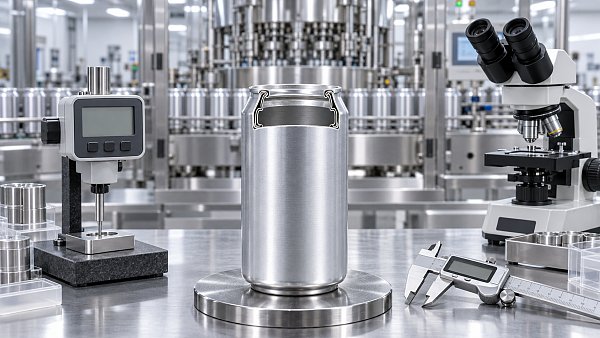
 Carton & PlasticsHow to assess seam quality in 250ml aluminum beverage cansLearn how to assess seam quality in 250ml aluminum beverage cans with practical visual checks, precise measurements, teardown methods, and defect-control guidance.Packaging Supply ExpertSep 28, 2026
 Carton & PlasticsWhat drives breakage rates in bulk wine bottles wholesale orders?Bulk wine bottles wholesale buyers: discover what drives breakage rates, from glass quality and packaging to pallet loading, and reduce costly claims.Packaging Supply ExpertSep 27, 2026
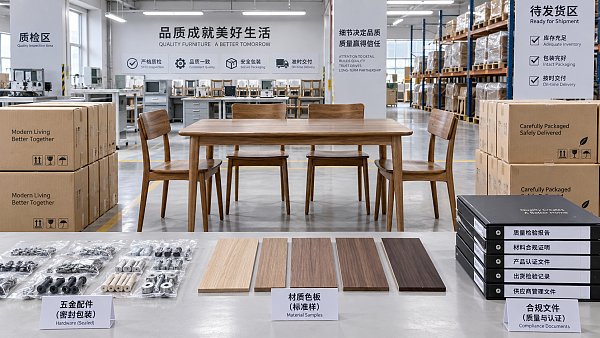
 Office FurnitureHow supplier scorecards reduce risk in furniture procurementFurniture procurement supplier management becomes more resilient with supplier scorecards that track quality, delivery, compliance, and corrective actions. Learn how to reduce sourcing risk.Interior Sourcing LeadSep 26, 2026
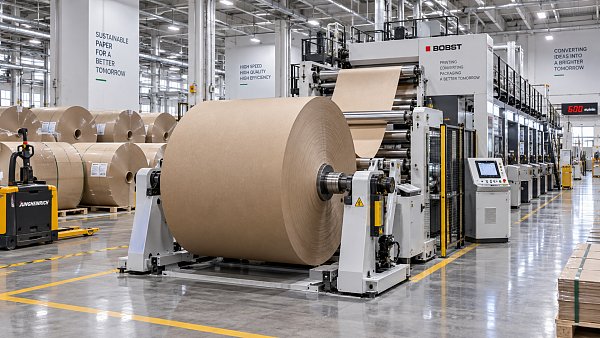
 Office Paper & Printing PaperHow roll diameter affects downtime when using jumbo paper rollsJumbo paper rolls can cut changeovers and downtime—if your unwinder, handling, and tension control can support them. Find the optimal roll diameter for smoother output.Packaging Supply ExpertSep 25, 2026