Industry News
Curation by industry experts
Hot Articles
Popular Tags
Restaurant Hospitality Lighting: What Works for Ambience and Energy Use
Restaurant Hospitality Lighting: What Works for Ambience and Energy Use
Restaurant hospitality lighting shapes how a space feels within seconds. Guests notice warmth, comfort, and visual balance before they read a menu or speak to staff.
It also affects operating cost every day. Energy use, lamp life, maintenance access, and control quality all influence long-term performance across dining rooms, bars, kitchens, and service corridors.
For restaurant projects, the best restaurant hospitality lighting plan is rarely about one fixture type. It is about matching light levels, controls, and material finishes to each zone.
That balance matters more today. Energy codes are tighter, labor costs are higher, and owners expect lighting systems to support brand identity without creating constant maintenance issues.
In practical terms, strong restaurant hospitality lighting improves guest mood, supports staff efficiency, and cuts waste. The key is knowing what actually works in live operating environments.
What Good Restaurant Hospitality Lighting Needs to Deliver
A successful scheme does three things at once. It builds ambience, supports tasks, and controls energy use without making the system hard to operate.
Ambience comes from contrast, color temperature, dimming smoothness, and fixture placement. Energy performance comes from efficient sources, zoning, controls, and sensible operating schedules.
The strongest restaurant hospitality lighting plans also consider maintenance from the start. A beautiful concept loses value quickly if drivers fail early or fittings are hard to replace.
- Consistent visual mood across day and evening service
- Efficient illumination for circulation, ordering, and cleaning
- Reliable dimming and scene control for operational flexibility
- Compliance with local code, emergency lighting, and safety needs
- Reduced replacement frequency and manageable maintenance access
Ambience Starts With Layering, Not Brightness Alone
One common mistake is treating restaurant hospitality lighting as a simple lux target. Restaurants need layered light, because people respond to depth, shadow, and focal points.
Ambient lighting sets the base mood. Accent lighting draws attention to tables, texture, shelving, or architectural details. Task lighting supports ordering stations, payment points, and prep zones.
When those layers are balanced, spaces feel comfortable rather than flat. Guests stay longer, food presentation improves, and the brand feels more intentional.
Recommended Layering by Area
- Dining area: soft ambient light with focused table accents
- Bar: stronger vertical illumination and highlight lighting for bottles
- Reception: brighter face lighting for welcoming interaction
- Corridors and restrooms: even light with clear wayfinding support
- Back-of-house: higher functional output with durable, easy-clean fixtures
This approach keeps restaurant hospitality lighting practical. It prevents overlighting while still giving each zone the visual role it needs.
Color Temperature and Rendering Make a Visible Difference
Color temperature has a direct effect on comfort. Warm light usually works best in dining spaces, especially where the goal is intimacy and relaxed dwell time.
Many restaurant hospitality lighting projects perform well in the 2700K to 3000K range. Bars, premium casual concepts, and fine dining often benefit from that warmer visual tone.
Service counters, open kitchens, and pickup zones may need slightly cooler light. That helps visibility, speed, and cleanliness perception without making front-of-house feel harsh.
Color rendering is equally important. High CRI supports food appearance, skin tones, wood finishes, and branded interiors. Low-quality LEDs can make dishes look dull and spaces feel lifeless.
Energy Efficiency Works Best With Smart Zoning
Efficient restaurant hospitality lighting is not just about LED conversion. Real savings usually come from zoning, scheduling, and dimming that match actual trading patterns.
Restaurants rarely operate at one fixed lighting level. Lunch, dinner, cleaning, prep, and closing all require different scenes. A single switch wastes energy and limits atmosphere control.
Good zoning separates window seating, core dining, bar, waiting area, washrooms, and back-of-house. That allows lower output where traffic is light and higher output where service is active.
Control Strategies That Usually Pay Off
- Time-based scenes for opening, service peaks, and cleaning
- Dimming controls for dining and bar transitions
- Occupancy sensors in storage rooms, restrooms, and staff areas
- Daylight response near glazing where local code supports it
- Central monitoring for fault reporting and performance tracking
This is where restaurant hospitality lighting becomes a business tool. Better controls lower consumption while making ambience more consistent from shift to shift.
Fixture Selection Should Follow the Operating Reality
A fixture schedule may look strong on paper but fail in operation. Restaurant hospitality lighting needs fittings that suit grease, heat, cleaning chemicals, and ceiling access constraints.
Decorative pendants can define mood, but they should not carry the entire lighting load. Recessed, track, linear, and concealed sources usually provide the dependable base layer.
In open ceilings, glare control becomes critical. Poor shielding or bad beam selection can make a space feel brighter but less comfortable, especially when guests are seated for long periods.
- Use hospitality-grade dimmable LED fixtures with verified driver compatibility
- Prefer high-efficiency luminaires with accessible replacement parts
- Check beam angles for table focus without spill into eyes
- Select ingress protection where moisture or kitchen exposure is relevant
- Align decorative lighting with cleaning and maintenance routines
Common Restaurant Lighting Problems and How to Avoid Them
Several issues appear again and again in restaurant hospitality lighting projects. Most are preventable when design, engineering, and operations are aligned early.
Frequent Failure Points
- Overly bright dining rooms that reduce comfort
- Poor dimming performance, flicker, or color shift
- Insufficient light on menus, tablets, or payment stations
- High maintenance costs from inaccessible fittings
- Weak emergency lighting integration with the overall design
- Energy waste from uncontrolled decorative circuits
The practical fix is coordinated mock-up testing. Even a small sample area can reveal glare, shadowing, dimming behavior, and finish interaction before full rollout.
That step reduces risk more than many teams expect. It turns restaurant hospitality lighting from a visual guess into a measurable operating decision.
A Practical Evaluation Framework for New Projects and Retrofits
Whether the site is new build or retrofit, restaurant hospitality lighting decisions should be reviewed against a simple framework. This keeps design ambition connected to commercial reality.
- Define the guest mood by daypart and concept type
- Map zones by function, traffic, and service priority
- Set target performance for energy, dimming, and maintenance
- Review compliance, emergency lighting, and controls integration
- Test key fixtures on site before final procurement
From a sourcing perspective, specification discipline matters. Verified component quality, driver stability, warranty terms, and supply continuity all influence total lifecycle value.
This is especially relevant for multi-site programs. Standardized restaurant hospitality lighting packages can streamline procurement, simplify spare parts, and improve brand consistency across locations.
For teams comparing suppliers, the better question is not only unit cost. It is whether the system will keep ambience, efficiency, and maintenance performance stable over time.
What Works Best in Practice
The most effective restaurant hospitality lighting solutions combine warm layered light, high-quality LED performance, and controls that fit real operating behavior.
They also respect the full project picture. Ambience matters, but so do energy targets, cleaning routines, replacement access, and code requirements across every zone.
In day-to-day use, the winners are usually simple, flexible systems. They create the right feeling for guests while giving operators predictable cost control and fewer surprises.
For any upgrade or new rollout, restaurant hospitality lighting should be evaluated as a long-term operating asset. That mindset leads to better ambience, better efficiency, and better project outcomes.
Recommended News
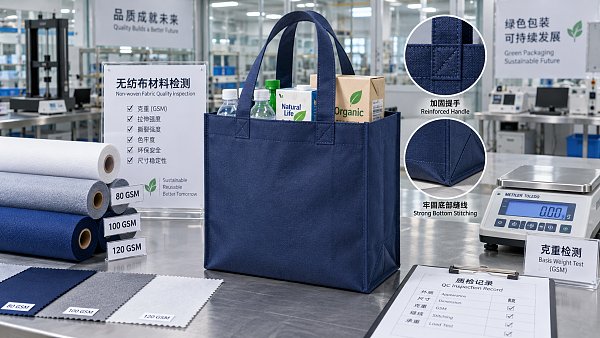
 Fabrics & YarnsWhat fabric weight works best for reusable non woven fabric bags?Non woven fabric for bags: discover the best GSM range for durability, load capacity, print quality, and cost-effective reusable bag sourcing.Textile Industry AnalystSep 30, 2026
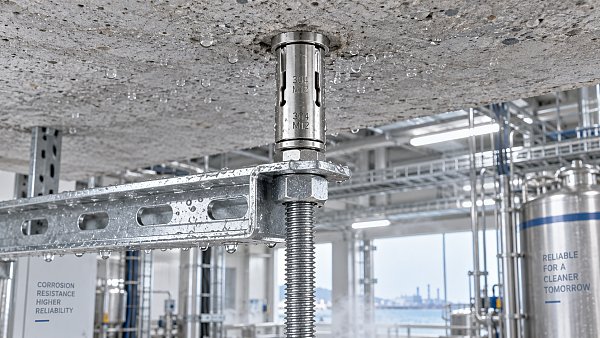
 Industrial FastenersWhen do zinc drop in anchors need corrosion-resistant coatings?Zinc drop in anchors need corrosion-resistant coatings in damp, outdoor, chloride-rich, or chemical environments. Learn how to select durable, approved protection.Tooling & Hardware LeadSep 29, 2026
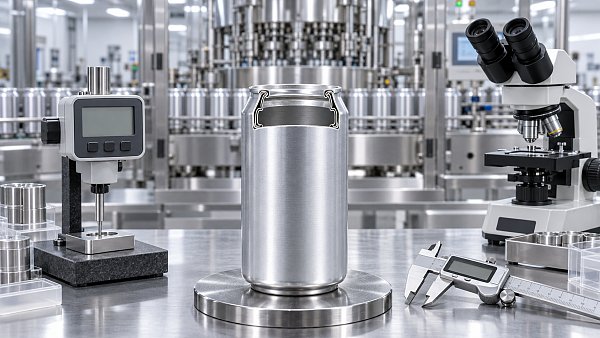
 Carton & PlasticsHow to assess seam quality in 250ml aluminum beverage cansLearn how to assess seam quality in 250ml aluminum beverage cans with practical visual checks, precise measurements, teardown methods, and defect-control guidance.Packaging Supply ExpertSep 28, 2026
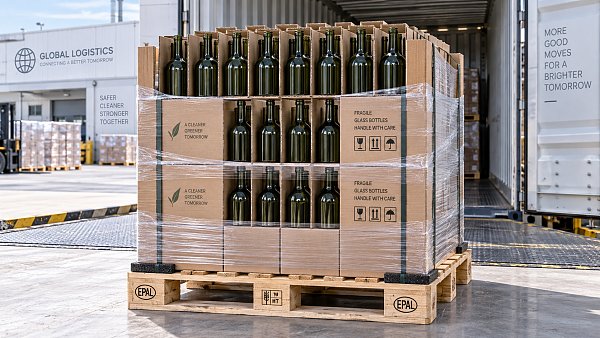
 Carton & PlasticsWhat drives breakage rates in bulk wine bottles wholesale orders?Bulk wine bottles wholesale buyers: discover what drives breakage rates, from glass quality and packaging to pallet loading, and reduce costly claims.Packaging Supply ExpertSep 27, 2026