Industry News
Curation by industry experts
Hot Articles
Popular Tags
Building Hardware Anodized Aluminum: Key Specs That Affect Durability
Building Hardware Anodized Aluminum: Key Specs That Affect Durability
When specifying building hardware anodized aluminum, small technical differences often decide service life.
That includes corrosion resistance, wear behavior, appearance retention, and maintenance cost over time.
For technical evaluations, the main question is simple: which specs truly affect durability, and which ones are marketing noise?
In practice, durable building hardware anodized aluminum depends on four variables working together.
These are alloy grade, anodizing thickness, sealing quality, and surface finish consistency.
If one of them is weak, the full system usually underperforms in exterior or high-touch use.
This matters in window hardware, door trim, handles, hinges, rail fittings, brackets, and decorative architectural parts.
It also matters in sourcing, because similar-looking parts can behave very differently after installation.
Why Durability Starts Before Anodizing
Many buyers focus first on coating thickness. That is necessary, but it is not enough.
Durability in building hardware anodized aluminum starts with the substrate itself.
The alloy composition affects oxide growth, pore structure, finish uniformity, and corrosion behavior.
If the wrong alloy is chosen, even a thick anodized layer may show inconsistent color or early pitting.
That is why technical review should begin with alloy certification, not just a finish sample.
Alloy Grade and Its Real Impact
For architectural and hardware use, 6063 and 6061 are common references.
6063 usually delivers a cleaner anodized appearance and better surface uniformity.
6061 offers higher strength, but the finish may be less visually consistent on exposed decorative parts.
For building hardware anodized aluminum, the alloy choice should match both structural load and finish expectations.
Higher silicon or copper content can reduce anodizing quality and increase visual variation.
That becomes more obvious on satin, clear, bronze, or black anodized surfaces.
- Use 6063 when appearance and finish consistency are priorities.
- Use 6061 when higher mechanical performance is required.
- Request mill certificates and alloy traceability in procurement review.
Anodizing Thickness: The Spec Everyone Asks About
Thickness is the most visible durability spec in building hardware anodized aluminum.
It directly affects wear resistance and helps protect the metal from corrosive exposure.
Still, more thickness is not automatically better in every case.
The right target depends on whether the part is interior, exterior, decorative, or high-contact.
Typical anodic coating references often range from 10 to 25 microns.
Interior trim may perform adequately at lower thickness levels.
Exterior building hardware anodized aluminum usually needs stronger protection, often 20 microns or more.
How to Read Thickness Requirements
Thickness should be evaluated against environment, not in isolation.
The main point is straightforward.
Building hardware anodized aluminum for exterior use should not be specified using interior assumptions.
That mistake still appears in cost-driven sourcing reviews and often leads to early complaints.
Sealing Quality: The Hidden Durability Multiplier
Sealing is often overlooked because it is less visible than color or thickness.
But for building hardware anodized aluminum, poor sealing is a major failure trigger.
Anodizing creates a porous oxide layer. Sealing closes those pores and improves resistance to staining and corrosion.
Without proper sealing, moisture and contaminants can penetrate the surface more easily.
This usually shows up as discoloration, patchy fading, or lower performance in salt spray conditions.
What to Verify in Supplier Review
- Ask which sealing process is used and whether it is controlled batch by batch.
- Request test records related to sealing quality and corrosion performance.
- Check whether the supplier follows recognized architectural anodizing standards.
- Confirm post-treatment handling, because contamination after sealing can still damage quality.
In real sourcing work, sealing quality often separates reliable suppliers from visually convincing ones.
Surface Finish and Mechanical Wear
Surface finish affects more than appearance in building hardware anodized aluminum.
It also influences scratch visibility, friction, maintenance response, and long-term user perception.
Brushed, satin, matte, and polished finishes do not wear the same way.
A highly reflective finish may show handling marks faster, especially on door pulls and hand-contact components.
A matte or satin surface often hides minor abrasion better in commercial use.
That does not mean rougher is always better.
Pre-treatment consistency matters, because uneven mechanical finishing can create non-uniform anodized results.
For exposed building hardware anodized aluminum, surface finish should be reviewed under production lighting, not only sample-room lighting.
Corrosion Exposure Changes the Right Specification
Environment is the factor that ties all durability decisions together.
Building hardware anodized aluminum in a dry indoor office faces very different risks than the same part near a coastline.
Salt, humidity, acid rain, urban pollution, and cleaning chemicals all affect performance.
This is why technical standards should be tied to the actual service environment.
Recent procurement shifts show a stronger focus on lifecycle cost, not just initial part price.
That change favors better-specified building hardware anodized aluminum, especially in public and commercial projects.
Common Risk Scenarios
- Coastal installations with airborne chlorides.
- Transit hubs with heavy touch frequency and aggressive cleaning cycles.
- Industrial sites with chemical fumes or particulate pollution.
- Mixed-metal assemblies where galvanic interaction may accelerate localized damage.
These conditions should push specification upward, not leave it at a generic baseline.
Standards and Test Data Worth Requesting
For technical review, data matters more than polished brochures.
When evaluating building hardware anodized aluminum, ask for measurable evidence.
- Alloy certificates and incoming material traceability.
- Coating thickness reports with sampling method.
- Sealing quality verification records.
- Corrosion test data, including salt spray where relevant.
- Color and finish consistency criteria across production lots.
- Reference to applicable standards such as AAMA or ISO-based controls.
The strongest suppliers can explain both the standard and the production logic behind it.
That is usually a better reliability signal than a low quotation alone.
A Practical Evaluation Checklist
A useful review process for building hardware anodized aluminum should stay simple and disciplined.
- Define the service environment clearly.
- Match alloy grade to structural and appearance needs.
- Set anodizing thickness by exposure level, not by habit.
- Verify sealing quality with documented test evidence.
- Review finish consistency on real production samples.
- Check compatibility with adjacent metals and cleaning conditions.
- Compare lifecycle cost, not just unit price.
This approach reduces the risk of approving parts that look acceptable but fail early in service.
Final Takeaway
Durable building hardware anodized aluminum is not defined by one headline spec.
It comes from the combination of the right alloy, appropriate anodizing thickness, effective sealing, and a finish suited to real use.
The more demanding the environment, the less room there is for generic specifications.
For sourcing and technical approval, the safest decision is usually the one backed by verifiable process control and test data.
When building hardware anodized aluminum is evaluated through that lens, durability becomes a controlled outcome rather than a hopeful assumption.
Recommended News
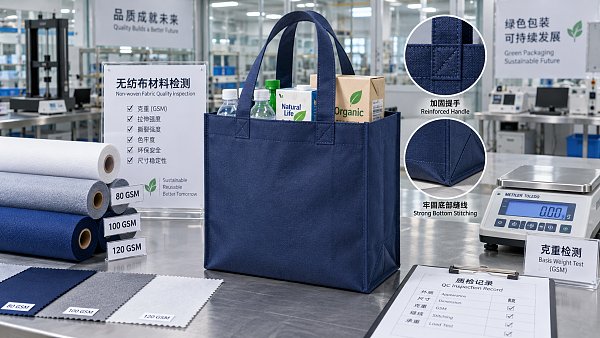
 Fabrics & YarnsWhat fabric weight works best for reusable non woven fabric bags?Non woven fabric for bags: discover the best GSM range for durability, load capacity, print quality, and cost-effective reusable bag sourcing.Textile Industry AnalystSep 30, 2026
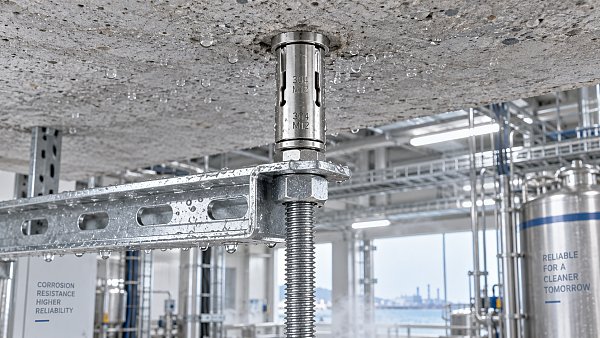
 Industrial FastenersWhen do zinc drop in anchors need corrosion-resistant coatings?Zinc drop in anchors need corrosion-resistant coatings in damp, outdoor, chloride-rich, or chemical environments. Learn how to select durable, approved protection.Tooling & Hardware LeadSep 29, 2026
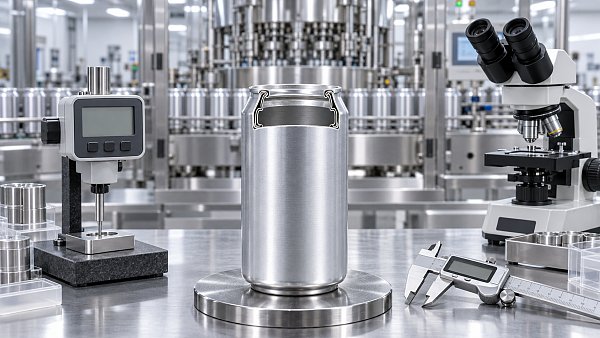
 Carton & PlasticsHow to assess seam quality in 250ml aluminum beverage cansLearn how to assess seam quality in 250ml aluminum beverage cans with practical visual checks, precise measurements, teardown methods, and defect-control guidance.Packaging Supply ExpertSep 28, 2026
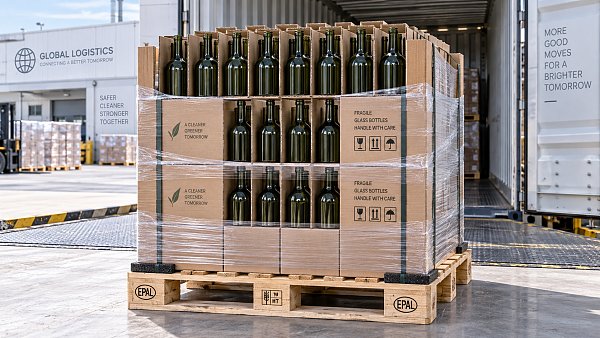
 Carton & PlasticsWhat drives breakage rates in bulk wine bottles wholesale orders?Bulk wine bottles wholesale buyers: discover what drives breakage rates, from glass quality and packaging to pallet loading, and reduce costly claims.Packaging Supply ExpertSep 27, 2026