Industry News
Curation by industry experts
Hot Articles
Popular Tags
Wholesale LED Flood Lights: Cost vs Output
For procurement teams evaluating wholesale LED flood lights, the lowest unit price rarely tells the full story. True value depends on lumen output, energy efficiency, thermal design, warranty terms, compliance, and long-term maintenance costs.
As global buyers face tighter budgets and higher performance expectations, understanding cost versus output is essential for reducing total ownership cost across commercial, industrial, and infrastructure lighting projects.
Wholesale LED Flood Lights: Cost vs Output
Wholesale LED flood lights are high-output outdoor luminaires purchased in bulk for area lighting, security lighting, logistics sites, sports venues, and public works.
Their business value is not defined by wattage alone. A lower wattage fixture may outperform a cheaper high-wattage model if optical design is stronger.
For wholesale LED flood lights, output is measured through lumens, beam angle, uniformity, color rendering, glare control, and maintained performance over time.
Cost includes purchase price, shipping, installation labor, energy use, replacement frequency, downtime, documentation, and warranty execution.
A practical comparison therefore starts with total cost of ownership, not the first invoice. This view supports better sourcing and fewer specification failures.
Core Metrics Behind Cost and Output
The most common mistake is comparing wholesale LED flood lights by wattage. Wattage shows power draw, not useful light delivered to the target area.
Luminous efficacy, expressed as lumens per watt, is more useful. Higher efficacy means more light from each unit of electricity consumed.
However, efficacy should be verified with real test data. Driver quality, LED chip selection, optics, and thermal management all influence final performance.
For wholesale LED flood lights, a strong data sheet should connect these metrics clearly. Vague claims often hide weak testing or inconsistent production.
Industry Background and Current Buying Signals
Lighting demand is shaped by energy prices, stricter building codes, sustainability reporting, and the replacement of metal halide or halogen systems.
Wholesale LED flood lights are now assessed as infrastructure assets. They must deliver measurable output while supporting safety, compliance, and operational continuity.
Several market signals are especially relevant when balancing cost and output in global sourcing programs.
- Energy efficiency targets are pushing higher-efficacy fixtures into standard project specifications.
- Smart controls are becoming more common for warehouses, yards, ports, campuses, and parking areas.
- Compliance documentation is receiving closer review before shipment approval or project acceptance.
- Buyers increasingly compare warranty terms against actual supplier service capability.
- Thermal design is viewed as a core reliability factor, not a secondary engineering detail.
These signals explain why wholesale LED flood lights with a very low quote may still become expensive during operation.
Poor optics can require more units. Weak drivers can fail early. Incomplete certificates can delay customs, tenders, or site acceptance.
Application Value Across Commercial and Industrial Projects
The strongest business case for wholesale LED flood lights is created when output, durability, and installation conditions are evaluated together.
In logistics yards, uniform lighting supports vehicle movement and reduces dark zones. In factories, stable output improves visibility near loading areas.
For retail exteriors and parking lots, color temperature and glare control shape safety perception and visual comfort.
In sports and public spaces, beam accuracy is critical. Excess spill light can create complaints, wasted energy, and regulatory concerns.
Wholesale LED flood lights also influence maintenance planning. Longer service life reduces lift equipment use, labor scheduling, and disruption.
The right specification converts wholesale LED flood lights from simple fixtures into controlled operating assets.
Cost Factors That Change the Final Price
Bulk pricing for wholesale LED flood lights varies because components, certifications, packaging, and production controls differ across supply bases.
LED chips are a major cost driver. Higher-grade chips usually provide better lumen maintenance, color consistency, and thermal stability.
Drivers also affect price and reliability. A stable driver protects performance during voltage fluctuation and harsh operating conditions.
Housing material matters. Die-cast aluminum, heat sink structure, surface treatment, and sealing quality influence durability in outdoor environments.
Compliance testing adds cost but reduces downstream risk. CE, RoHS, ETL, DLC, UKCA, or regional standards may be required.
Packaging can also change landed cost. Strong export cartons reduce breakage, while oversized packaging increases freight and storage expenses.
When comparing wholesale LED flood lights, landed cost should be reviewed beside test data and warranty coverage.
Output Factors That Should Be Verified
Output claims require verification because advertised lumens may not reflect delivered light after heat, optics, and power conversion losses.
Photometric files help estimate how wholesale LED flood lights perform in real layouts. They support simulation before large orders are placed.
Color temperature should match the application. Cooler light may enhance visibility, while neutral tones can improve visual comfort.
Color rendering is less critical than in retail interiors, yet it still affects recognition, security footage, and operational visibility.
Glare control is often overlooked. Excess glare can reduce practical visibility even when lumen output appears strong on paper.
- Request IES or LDT files for lighting simulation.
- Confirm lumen output after thermal stabilization.
- Check beam angle options against mounting height.
- Review lumen maintenance, such as L70 or L80 data.
- Validate operating temperature range for the project location.
These checks help separate credible wholesale LED flood lights from products built mainly for low upfront pricing.
Supplier Evaluation and Documentation Control
A reliable supplier should provide consistent specifications, traceable materials, quality inspection records, and clear warranty procedures.
For wholesale LED flood lights, documentation should include data sheets, certificates, photometric reports, installation guidance, and packaging details.
Factory capability is also important. Aging tests, waterproof tests, surge tests, and thermal checks indicate stronger process control.
Sample approval should not be skipped. Samples reveal housing finish, bracket strength, cable quality, optical pattern, and label accuracy.
Bulk orders of wholesale LED flood lights should include pre-shipment inspection against agreed specifications, not only visual checks.
Practical Sourcing Recommendations
The best sourcing decisions use a balanced scorecard rather than a single price comparison.
Start with the lighting target. Define illumination levels, mounting conditions, beam requirements, operating hours, and environmental exposure.
Then compare wholesale LED flood lights by delivered performance, not only catalog wattage or supplier claims.
- Set a minimum efficacy threshold suitable for the project.
- Require photometric data before final model selection.
- Calculate energy cost across expected service life.
- Confirm certification relevance for the destination market.
- Test samples under realistic installation assumptions.
- Include packaging and spare parts in the commercial review.
For wholesale LED flood lights, a slightly higher unit price can be justified when it reduces energy consumption, failures, and installation changes.
The strongest decision combines engineering validation with commercial discipline. This approach lowers risk across the entire project cycle.
Action Path for Better Lighting Decisions
A structured request for quotation should include target lumens, wattage range, beam angle, color temperature, IP rating, certificates, and warranty expectations.
It should also request IES files, sample availability, packaging specifications, production lead time, and inspection standards.
Before confirming wholesale LED flood lights, compare at least three models using total ownership cost, output quality, and supplier evidence.
This method prevents short-term savings from becoming long-term expense. It also supports safer, brighter, and more reliable project outcomes.
For deeper supplier comparison and market intelligence, Global Supply Review supports structured evaluation across lighting, hardware, packaging, textiles, and related industrial categories.
When cost and output are assessed together, wholesale LED flood lights become a measurable investment rather than a commodity purchase.
Recommended News
 Home DecorHow order size affects wholesale prices for round linen tableclothsBuying round linen tablecloths wholesale? Discover how order size, freight, and inventory costs affect pricing—and choose the right quantity to maximize real savings.Interior Sourcing LeadOct 14, 2026
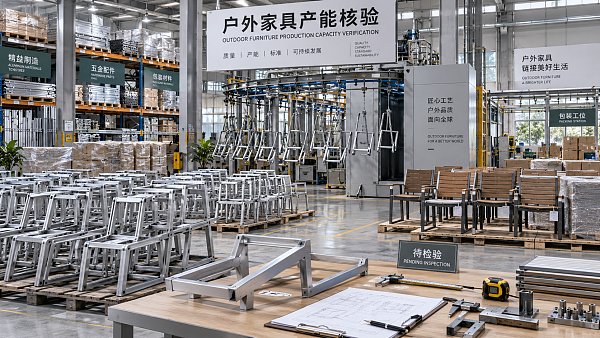
 Outdoor FurnitureHow to verify outdoor furniture manufacturers' production capacityCan outdoor furniture manufacturers deliver on time? Learn how to verify production capacity, uncover bottlenecks, and validate supplier commitments before placing your next order.Interior Sourcing LeadOct 13, 2026
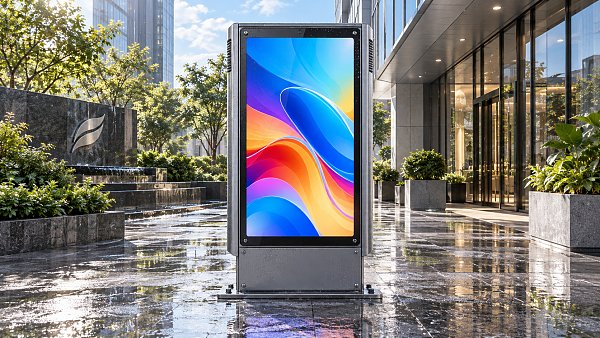
 Commercial DisplaysWhat makes an outdoor digital signage display manufacturer reliable?Discover how to choose a reliable outdoor digital signage display manufacturer with proven weather protection, quality control, smart visibility, and responsive after-sales support.Commercial Tech EditorOct 12, 2026
 Garment MfgWhen do bulk embroidered hoodies offer better value than printed ones?Bulk embroidered hoodies deliver lasting value for uniforms and premium branding. Compare durability, design, comfort, and cost to choose the right decoration.Textile Industry AnalystOct 11, 2026