Industry News
Curation by industry experts
Hot Articles
Popular Tags
Bulk Synthetic Yarns Supplier Checks for Stable Production
For quality control and safety managers, selecting a synthetic yarns bulk order supplier is not just a purchasing decision—it is a production stability checkpoint. Yarn consistency, documented compliance, batch traceability, and risk controls directly affect defect rates, worker safety, and downstream delivery performance. This guide outlines the key supplier checks procurement and QA teams should conduct before committing to bulk synthetic yarn sourcing, helping reduce material variation, prevent avoidable production stoppages, and support more reliable global supply chain operations.
Why Supplier Checks Matter Before a Synthetic Yarns Bulk Order Supplier Is Approved
Bulk synthetic yarn purchasing connects textile mills, apparel producers, industrial fabric converters, packaging material makers, and home furnishing manufacturers. One unstable supplier can affect multiple production lines.
For QA and safety teams, the risk is rarely limited to price. Denier deviation, uneven dye uptake, oil residue, contamination, or poor package winding can create hidden failures.
A qualified synthetic yarns bulk order supplier should provide more than samples. The supplier must prove repeatability across batches, shifts, raw material lots, and export shipments.
- Quality managers need measurable controls for tensile strength, elongation, shrinkage, color consistency, yarn count, and package uniformity.
- Safety managers need documentation covering chemical restrictions, material handling, storage risks, labeling, and workplace exposure controls.
- Procurement teams need evidence that the quoted capacity can match delivery schedules without uncontrolled subcontracting.
Global Supply Review helps buyers interpret these checkpoints across textiles, packaging, furniture, industrial components, and related light manufacturing supply chains.
What Should QA Teams Verify First in Bulk Synthetic Yarn Sourcing?
Before placing a bulk order, QA teams should translate production requirements into supplier verification points. The goal is to avoid approving yarn that only performs well in a sample cone.
The following table can help compare a synthetic yarns bulk order supplier against practical factory requirements instead of relying only on brochure descriptions.
A table-based review makes supplier approval more consistent. It also helps QA, procurement, and safety teams discuss risks using the same evidence.
Sample Approval Is Not the Same as Bulk Approval
A sample may come from a stable production lot, while bulk yarn may involve different machines or raw material batches. Always confirm sample-to-bulk matching rules.
A reliable synthetic yarns bulk order supplier should explain how retained samples, shade bands, lab reports, and inspection records connect to the shipped order.
Key Technical Parameters That Affect Stable Production
Synthetic yarns are used in apparel, upholstery, narrow fabrics, industrial sewing threads, filtration materials, packaging straps, and display-related textile components.
Because each downstream process stresses yarn differently, QA teams should define critical parameters before negotiating with a synthetic yarns bulk order supplier.
These checks are not excessive. They are practical safeguards when a single container may feed weeks of production across several customer programs.
How to Evaluate Compliance, Safety, and Documentation
Safety managers often enter the sourcing discussion after price and capacity have already been discussed. That timing can create costly approval delays.
A synthetic yarns bulk order supplier should be able to provide relevant compliance documents before shipment planning, especially for regulated consumer and industrial markets.
- Request material safety information covering storage, handling, fire precautions, dust or fume considerations, and emergency response guidance.
- Confirm whether restricted substance requirements apply, including buyer-specific chemical limits, REACH-related declarations, or OEKO-TEX-related expectations where relevant.
- Review labeling accuracy, carton markings, country-of-origin information, lot identification, and any special instructions for temperature or humidity exposure.
- Check whether recycled, bio-based, flame-retardant, anti-static, or solution-dyed claims are supported by reasonable documentation.
Do Not Treat Certificates as a Substitute for Process Control
A certificate can support compliance review, but it does not prove every future batch will meet the same process condition or performance profile.
Quality teams should match certificates with lot records, test frequency, material change controls, and corrective action procedures from the synthetic yarns bulk order supplier.
Supplier Comparison: Price, Capacity, and Risk Should Be Scored Together
Low unit price can hide higher total cost when yarn causes stoppages, rework, claims, or emergency substitution. Comparison should include operational risk.
The table below shows how buyers can compare a synthetic yarns bulk order supplier with a structured sourcing lens.
A balanced scorecard protects production better than a price-only comparison. It also gives management a clearer basis for supplier approval.
Application Scenarios: Which Yarn Checks Change by Industry?
Synthetic yarns move through different value chains. A yarn that works for simple decorative fabric may not be suitable for technical webbing or coated industrial material.
When choosing a synthetic yarns bulk order supplier, the downstream application should guide inspection depth and acceptance limits.
- Apparel and linings require stable color, softness, low defect visibility, and compatibility with dyeing or finishing processes.
- Furniture and decor fabrics often require abrasion resistance, shade consistency, dimensional stability, and predictable fabric appearance.
- Packaging and industrial textiles may require tensile performance, low elongation variation, chemical resistance, or controlled shrinkage.
- Safety-related sewing, straps, or reinforcement materials need stricter documentation, retained samples, and clearly defined rejection rules.
When Should Buyers Request a Trial Run?
A trial run is recommended when changing yarn origin, moving to recycled content, switching from dyed to solution-dyed yarn, or upgrading performance grades.
The trial should test real production speed, machine tension, dyeing behavior, finishing response, packing stability, and operator feedback before bulk release.
Procurement Workflow for Reducing Bulk Order Disruption
A controlled sourcing workflow helps teams avoid rushed approvals. It also creates an audit trail when customer claims or shipment disputes occur.
The workflow below can be used when onboarding a synthetic yarns bulk order supplier for repeat production programs.
This workflow turns supplier selection into a repeatable control system. It supports faster decisions without removing technical discipline.
Common Mistakes When Selecting a Synthetic Yarns Bulk Order Supplier
Many bulk yarn problems begin before the first shipment leaves the factory. The issue is often an unclear requirement, not supplier intent.
- Approving price without confirming whether tolerance, package weight, cone type, and winding density match existing machine settings.
- Accepting general product descriptions such as polyester yarn or nylon yarn without defining grade, finish, tenacity, and application limits.
- Ignoring storage and transport conditions, especially for long-distance ocean shipments exposed to humidity and temperature changes.
- Treating recycled or specialty yarn claims as equivalent without checking documentation, performance stability, and customer acceptance requirements.
- Failing to set claim-handling rules, including evidence required, response timing, replacement options, and responsibility for testing costs.
Risk Control Starts With Clear Rejection Criteria
A purchase order should state measurable rejection triggers. Examples include unacceptable lot mixing, damaged cartons, inconsistent labeling, abnormal odor, or out-of-tolerance test results.
Clear criteria reduce conflict and help the synthetic yarns bulk order supplier prepare the shipment according to your receiving inspection process.
FAQ: Practical Questions From Quality and Safety Managers
How do we know whether a synthetic yarns bulk order supplier can maintain batch consistency?
Ask for recent lot records, tolerance data, retained sample policy, machine assignment rules, and inspection frequency. Consistency should be proven across production batches.
What documents should be checked before bulk shipment?
Common documents include specification sheets, test reports, packing lists, lot traceability records, safety information, and compliance declarations relevant to your market.
Is the lowest quotation acceptable if the sample passes internal testing?
Not always. Compare the supplier’s process controls, claim response, export packing, delivery reliability, and ability to repeat the approved sample standard.
How long should supplier approval take?
Timing depends on testing depth, trial production, documentation review, and shipping schedule. For critical applications, rushing approval can create larger downstream delays.
Why Work With Global Supply Review for Supplier Intelligence?
Global Supply Review supports procurement, QA, and safety decision-makers with structured sourcing intelligence across textiles, packaging, hardware, lighting, displays, furniture, and decor.
For teams evaluating a synthetic yarns bulk order supplier, GSR helps convert scattered supplier claims into practical questions, comparison criteria, and risk checkpoints.
- Consult GSR for parameter confirmation, including yarn count, tensile performance, shrinkage, finish type, color requirements, and application suitability.
- Request sourcing guidance for supplier comparison, sample review, trial planning, delivery cycle evaluation, and documentation requirements.
- Discuss certification expectations, restricted substance concerns, recycled yarn claims, export packing, and receiving inspection checklist design.
- Use GSR’s cross-industry perspective to align textile sourcing with broader supply chain resilience, production continuity, and buyer compliance goals.
If your team is preparing a bulk synthetic yarn program, contact Global Supply Review to clarify specifications, compare sourcing options, review supplier documentation, and plan sample support before committing to volume procurement.
Recommended News
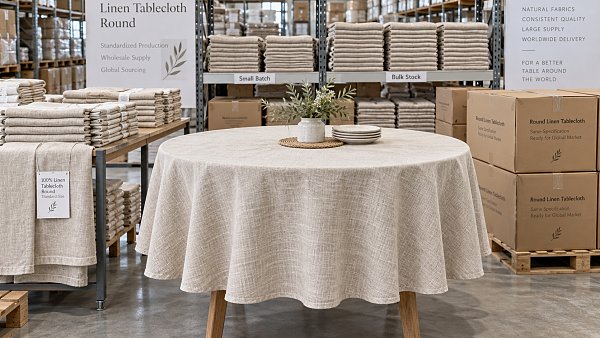
 Home DecorHow order size affects wholesale prices for round linen tableclothsBuying round linen tablecloths wholesale? Discover how order size, freight, and inventory costs affect pricing—and choose the right quantity to maximize real savings.Interior Sourcing LeadOct 14, 2026
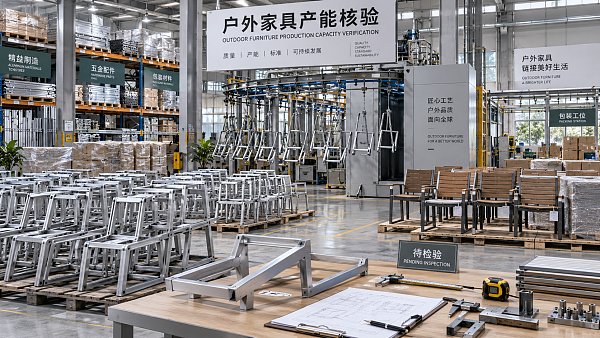
 Outdoor FurnitureHow to verify outdoor furniture manufacturers' production capacityCan outdoor furniture manufacturers deliver on time? Learn how to verify production capacity, uncover bottlenecks, and validate supplier commitments before placing your next order.Interior Sourcing LeadOct 13, 2026
 Commercial DisplaysWhat makes an outdoor digital signage display manufacturer reliable?Discover how to choose a reliable outdoor digital signage display manufacturer with proven weather protection, quality control, smart visibility, and responsive after-sales support.Commercial Tech EditorOct 12, 2026
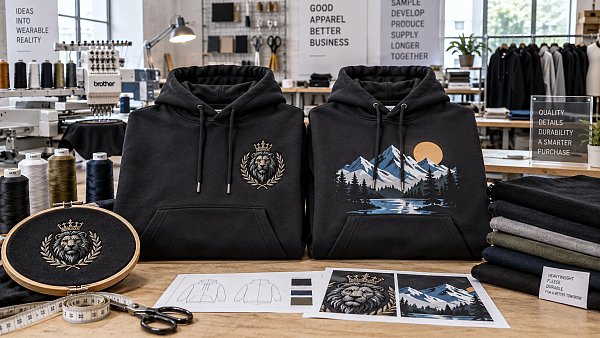
 Garment MfgWhen do bulk embroidered hoodies offer better value than printed ones?Bulk embroidered hoodies deliver lasting value for uniforms and premium branding. Compare durability, design, comfort, and cost to choose the right decoration.Textile Industry AnalystOct 11, 2026